Rhode Island Homes Have a Radon Problem
Rhode Island may be small, but our homes are anything but the same.
From older homes around Providence and Pawtucket to coastal properties in Newport and Narragansett, and newer homes in places like East Greenwich, Coventry, and North Kingstown, homes across the state have different foundations, soils, ventilation, and construction.
Radon doesn't care how old your house is.
It can enter through cracks in floors and walls, construction joints, gaps around pipes, and other openings between your home and the ground. It can build up in lower levels where people spend time.
The EPA recommends that all homes be tested for radon. A home doesn't need to be in a high-radon area to have elevated levels.
That's why we believe radon testing should be simple.
Test the home. Get the results. Know what you're dealing with.
Professional Radon Testing in Rhode Island
You can't see radon. You can't smell it. Testing is the only way to know if it's there.
Buying a home in Providence? Selling a house in Warwick? Living in Cranston, Johnston, Coventry, or one of the many communities across Rhode Island?
Radon should be on your list.
Radon is a naturally occurring radioactive gas that can move from the soil into your home. It has no smell, no color, and no taste. You won't know it's there unless you test.
And Rhode Island has a reason to take radon seriously.
The Rhode Island Department of Health reports that about 1 in 4 tested homes in the state had radon levels at or above 4.0 pCi/L, the EPA action level. In some Rhode Island communities, more than half of tested homes have exceeded that level.
That means radon testing isn't something to think about only when buying an older house or living in a certain part of the state.
Any home can have elevated radon. The only way to know your home's level is to test.
Free Instant Quote
We will get back to you as soon as possible.
Please try again later.
Radon Testing for Rhode Island Homeowners
Whether you've lived in your home for 20 years or just received the keys, a radon test gives you information you can't get by looking around the house.
You won't find radon by checking the basement walls or looking for a warning sign.
You have to measure it.
Our radon testing services are designed for Rhode Island homeowners who want clear answers without making the process complicated.
Home Radon Testing
A professional radon test can tell you how much radon is present in your home.
Testing is especially worth considering if:
- You've never tested your home.
- You're buying a home.
- You're selling your home.
- You're finishing or using a basement.
- You've made major changes to the home.
- Your previous test was several years ago.
- You have concerns about indoor air quality.
- A previous test showed elevated radon.
The EPA notes that testing is the only way to know whether your home has elevated radon levels.
Buying a Home? Add Radon Testing to Your Inspection
Buying a house is already a lot.
You're looking at the roof. The foundation. The electrical panel. The furnace. The plumbing. You're thinking about the neighborhood, the mortgage, the closing date, and whether that room upstairs will actually work as a home office.
Radon can be easy to overlook.
It shouldn't be.
A home inspection can tell you a lot about the condition of a property. A radon test answers a different question:
What is the radon level inside the home?
The EPA recommends testing homes when buying or selling.
If you're buying a home in Providence, Warwick, Cranston, East Greenwich, or anywhere else in Rhode Island, a radon test can give you another important piece of information before you close.
Don't wait until after closing to find out what's in the air.
Selling a Home? Test Before You List
A radon test can also make sense before putting your home on the market.
Getting the test done early gives you time to understand the results and decide what to do next.
It can also help prevent a last-minute surprise during the home-buying process.
The EPA notes that a buyer may request a new radon test when an older test is no longer recent, when the home has been renovated, or when other testing conditions have changed.
If you're getting ready to sell your Rhode Island home, testing before listing can help you go into the transaction with more information.
What Happens During a Radon Test?
Radon testing doesn't have to be complicated.
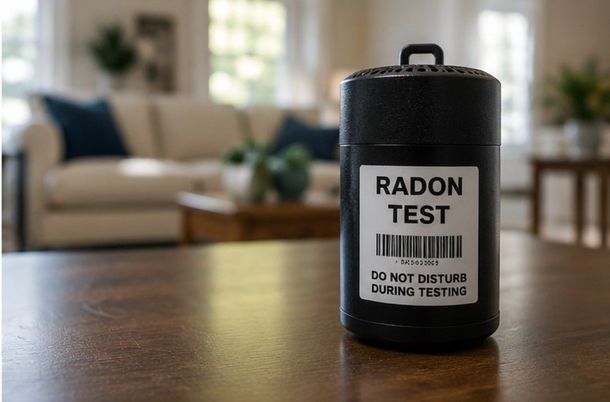
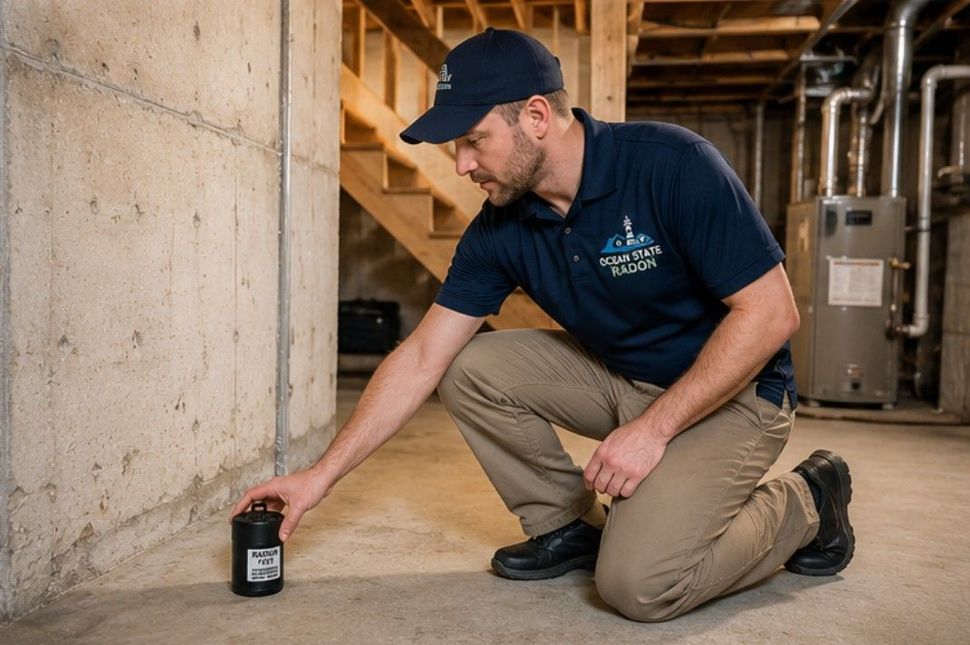
The testing equipment is placed in the appropriate area of the home and left in place for the required testing period. The test measures the amount of radon in the air.
Once testing is complete, you'll receive your results and know where your home stands.
The EPA measures radon in picocuries per liter, or pCi/L.
The EPA recommends taking action when a home has a radon level of 4.0 pCi/L or higher. It also notes that lower levels still carry some risk, so homeowners may choose to reduce radon below that level.
If your results are elevated, don't panic.
A high radon test result is a problem you can do something about.
Radon reduction systems can significantly lower indoor radon levels. After mitigation, the home should be tested again to confirm the level has been reduced.
Serving Communities Across Rhode Island
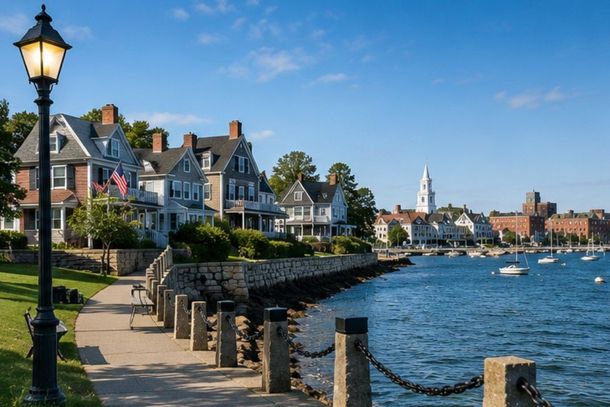
We provide radon testing throughout Rhode Island, including:
Providence County
- Providence
- Cranston
- Johnston
- North Providence
- Pawtucket
- East Providence
- Cumberland
- Lincoln
- Smithfield
Kent County
- Warwick
- West Warwick
- Coventry
- East Greenwich
- West Greenwich
Washington County
- North Kingstown
- South Kingstown
- Narragansett
- Westerly
- Charlestown
- Richmond
- Exeter
Newport County
- Newport
- Middletown
- Portsmouth
- Jamestown
- Tiverton
- Little Compton
Why Test for Radon?
Rhode Island's communities may be close together, but radon levels can vary from one home to the next. The state's radon data shows elevated results in communities throughout Rhode Island.
That's why we don't recommend guessing based on your ZIP code.
Radon is one of those home problems you can't see coming.
There isn't a smell that tells you something is wrong. There isn't a stain on the wall. There isn't a noise coming from the basement.
It's just there—or it isn't.
Long-term exposure to elevated radon can increase the risk of lung cancer. The EPA identifies radon as the second leading cause of lung cancer in the United States after smoking.
Testing gives you information.
And information gives you options.
If the result is low, you have peace of mind.
If the result is elevated, you can take steps to reduce it.
Either way, you'll know.
Free Instant Quote
We will get back to you as soon as possible.
Please try again later.
Common Questions About Radon Testing
How often should I test my home for radon?
If you have never tested your home, it's a good place to start. The EPA also recommends considering another test in the future, even when a previous result was below 4 pCi/L. You should also consider retesting after major renovations or changes to your HVAC system.
Can a new home have radon?
Yes.
A new home can have elevated radon just like an older home. The EPA recommends testing new homes after occupancy, even when radon-resistant construction features were used.
Does every home in Rhode Island need a radon test?
The EPA recommends testing all homes. Rhode Island's own data also shows why testing matters locally, with about 1 in 4 tested homes meeting or exceeding the 4.0 pCi/L action level.
Can I smell radon?
No.
Radon is colorless and odorless. You cannot detect it with your senses. Testing is the only way to know the level inside your home.
What is a safe radon level?
The EPA recommends taking action at 4.0 pCi/L or higher. The EPA also notes that radon levels below 4.0 pCi/L still carry some risk, so reducing levels as much as reasonably possible can be beneficial.
What if my radon test comes back high?
Don't panic.
An elevated result means you have more information about your home. A qualified radon mitigation professional can evaluate the home and install a system designed to reduce radon levels. The home should be tested again after mitigation.
Rhode Island Radon Resources
We believe homeowners should have access to good information, even when they're not using our services.
For additional information about radon in Rhode Island, visit the Rhode Island Department of Health's radon resources.
You can also learn more about radon testing, health risks, and mitigation from the
U.S. Environmental Protection Agency.